
The parts of me that showed up when my marriage ended
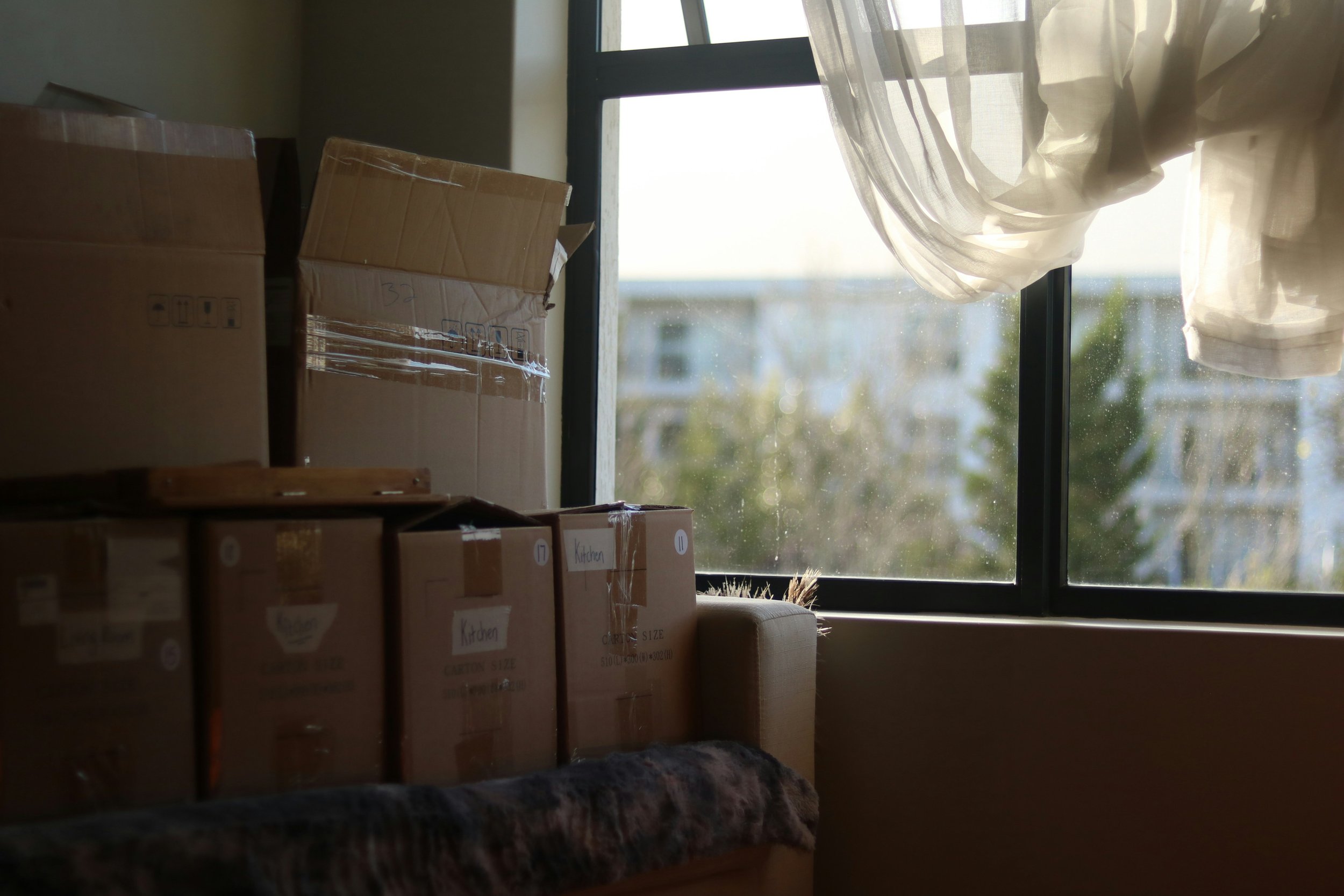
In the early days of my separation, I thought I was coping reasonably well. I was packing up my belongings for a move I didn’t want to make. My contract would finish at the end of June with nothing lined up afterwards, so I was worried about money. I also had a workshop to run the following week, and I still hadn’t sorted out arrangements for my children.
From the outside, I probably looked fine. If you’d asked how I was, I’d have given you a thoughtful answer.
Around then I had a recorded parts work session with a coach. When I read the transcript years later, I was surprised by how many parts of me turned up in that one hour.
Who was in the room
Parts work treats the different feelings and points of view inside us as parts. Internal Family Systems adds the idea of a steadier Self that can meet those parts with curiosity and compassion.
My coach asked which parts were active, and I named them fairly quickly. Anger came first, then sadness. A curious part wanted to know how the workshop would go, and whether I’d find my way through the separation. Another part kept doing the maths on money.
Gratitude showed up too, which surprised me. Some unexpected work had come through in Bangkok at a time when I wasn’t in full-time employment. I was working in leadership development and executive coaching, a small niche where much of the work sits outside organisations, and as a person of colour I hadn’t seen many other people of colour doing it. So I was grateful for the Bangkok work.
My coach wondered whether that gratitude was part of it or something deeper. I didn’t know what to make of the question at the time, though I think now it came from somewhere deeper than any one part.
I was grateful for other things. My friends were trying to support me, even though none of them had been through anything quite like this. I had to be careful about who I vented to, because some of them found my frustration hard to hear and couldn’t give me the empathy I needed. I knew they were doing what they could.
I was getting clearer about my work, too. I didn’t want to keep doing leadership development through PowerPoint. And despite everything, I felt I’d stayed true to myself.
Then my coach asked whether any part of me felt hurt.
My children
That question took me straight to my children. I’d been a big part of raising them. My daughter and I used to dance together, and my son and I played basketball. Over the years, I’d become the parent who listened, and when they were upset, I could usually help them settle and see they still had options.
Losing that daily role felt, as I said in the session, like a carpet being ripped from under my feet. It was devastating. Part of the hurt was feeling that what I brought as a parent wasn’t valued.
Anger that stayed quiet
I chose to start with anger, though I wasn’t sure it was the right place. My coach said it didn’t matter much where we started. When he invited me to feel the anger, I told him it was there but not very strong. I could list plenty of things I was angry about, but I mostly just described them. The only thing I noticed in my body was a slight headache.
He asked about my history with anger. I’d kept it at arm’s length for most of my life and had only started naming it in the last few years. When I did notice it, I’d usually start thinking about what I cared about and what I might need to ask for.
My coach made a distinction I hadn’t really taken in before. He described anger going outward at other people or turning inward against ourselves, and the option of simply staying with the feeling, which I hadn’t done much of. That’s when I realised I’d been talking about my anger while barely feeling it.
So we turned towards the part that kept my anger at a distance. I felt grateful to it because I believed it had stopped me from physically hurting anyone. When I asked what its job was, I realised it helped me work out what a situation needed rather than reacting on impulse. It held me back, even when my heart was racing.
Thanking it for how hard it worked brought a few tears. Holding back took a lot of energy, and it came at a cost.
My coach then asked what part was afraid of what would happen if it stopped. My first answer was that I might hurt someone, physically or emotionally, and be left with remorse. As I stayed with the question, my children came to mind, and I thought about how painful it would be to watch their optimism get squashed.
That shifted how I saw the part. I sensed it was protecting me from a particular hurt that seemed to go back to something earlier in my life, and keeping my anger down was its way of keeping that hurt at bay. We ran out of time before we could go there.
What I know now, years later
It took me a while to get used to thinking in parts and building a relationship with each one. Noticing them in my body was new, too, but once I started paying attention, I could sense where each one sat. Early on, I often couldn’t tell whether it was “me” talking or a part. That mattered less than I expected, because I was still getting to know them.
Things started to change when I understood what each part was trying to protect. Getting to know mine slowly taught me to be kinder to myself. It’s hard to stay harsh with myself when I can see what a part has been trying to do for me.
Mostly I remember feeling helpless. We’d moved overseas for my former spouse’s job. I’d agreed to support her career in a new country, and I hadn’t imagined we might separate while we were there.
I was on a spousal visa, and she told me more than once she could cancel it. I felt exposed all the time, as though my body was bracing for the next threat, and living that way took a toll on my nervous system. It was hard to accept what felt like a sentence being handed down. I hadn’t planned for a separation, and I didn’t know whether I’d be allowed to stay in the country.
The separation came after years of asking not to be spoken over or yelled at. I’d said what I needed, but they didn’t hear me. Back then I thought stating a boundary was enough, and I hadn’t yet worked out that I also needed to decide what I’d do if it kept happening. It was painful to accept that I couldn’t make someone else respect it.
Long after the separation, my mentor Dr Paul Dunion told me that the biggest cause of resentment in a relationship is a lack of relationship agreements. That helped me see two gaps in our marriage. We’d never agreed on how to speak to each other when things got difficult, and we had no plan for what would happen if we separated while living overseas.
If I could say something to the man packing boxes back then, I’d tell him to thank the part that was holding everything together, and that he was allowed to take his own needs seriously.
Questions people ask about parts work after a separation
What is parts work?
Parts work is a way of relating to the feelings and impulses inside you as distinct parts, each with its own point of view. Internal Family Systems is one well-known model. The work involves getting curious about what a difficult reaction is trying to do for you.
Can parts work help after a separation?
It helped me, and I’m speaking from personal experience, not research. My separation woke up a lot of parts at once, and parts work gave me a way to turn towards each one without being taken over by it. It doesn’t replace legal advice or mental health support.
Why would a part hold back anger?
Parts work generally treats a part that holds back anger as a protector. It’s trying to prevent something it fears, like hurting someone or being hurt, and that fear often traces back to earlier in life. In my experience, understanding what it’s afraid of helps more than pushing past it.
Where to from here?
If a separation has woken up parts of you that you don’t recognise, it helps to have someone steady alongside while you get to know them. I work with people in the middle of transitions like this, in person in Melbourne and online. Book a free call, and we’ll start with whatever feels loudest right now.